PROSTATE CONDITIONS
Understanding key conditions that affect your prostate
The prostate can be affected by several common conditions, including benign prostatic hyperplasia (BPH), prostatitis, and prostate cancer. On this page, you’ll discover the most common prostate conditions, their symptoms, and available treatment options. In addition to medical care, healthy lifestyle habits can play an important role in supporting prostate and general health.

1 in 8 men
will be diagnosed with prostate cancer during their lifetime
>50%
over 50 years old men develop an enlarged prostate (BPH)
10-15%
of men experience symptoms of prostatitis at some point in their lives
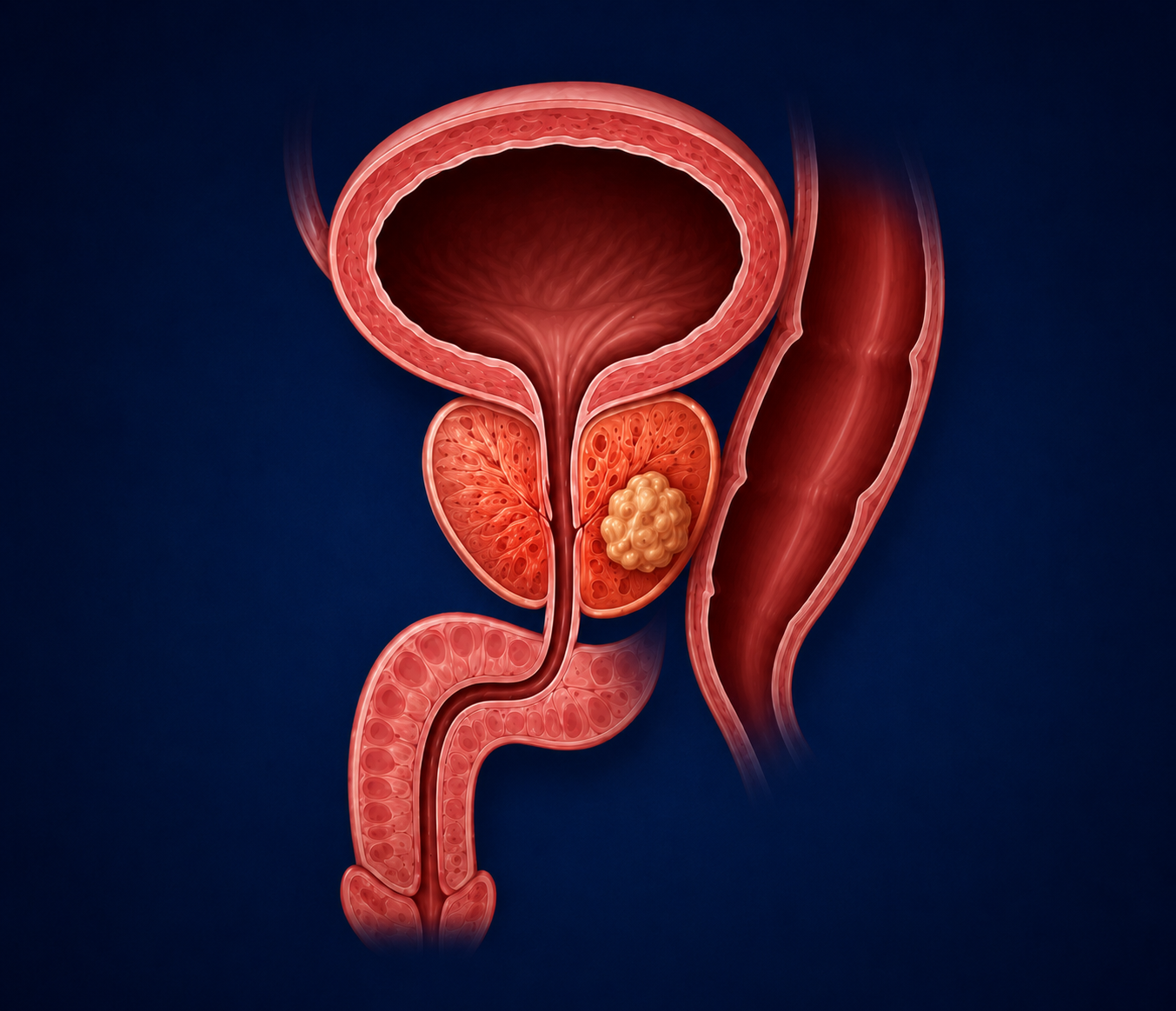
Prostate Cancer
Prostate cancer occurs when cells in the prostate - a small, walnut-sized gland below the bladder that produces part of the fluid in semen - begin to grow abnormally and uncontrollably, forming a tumour. It is one of the most common cancers in men, and while some forms grow slowly and may never cause problems, others can be aggressive and spread beyond the prostate to lymph nodes, bones, or other organs.
Many early prostate cancers cause no symptoms at all, which is why they are often detected through a blood test (PSA) or a physical examination.
Treatment depends on the stage and aggressiveness of the disease and may involve active surveillance, surgery, radiotherapy, hormonal therapy, or a combination of these. Healthy lifestyle choices -such as staying physically active and adopting supportive dietary habits- can significantly improve outcomes and quality of life.
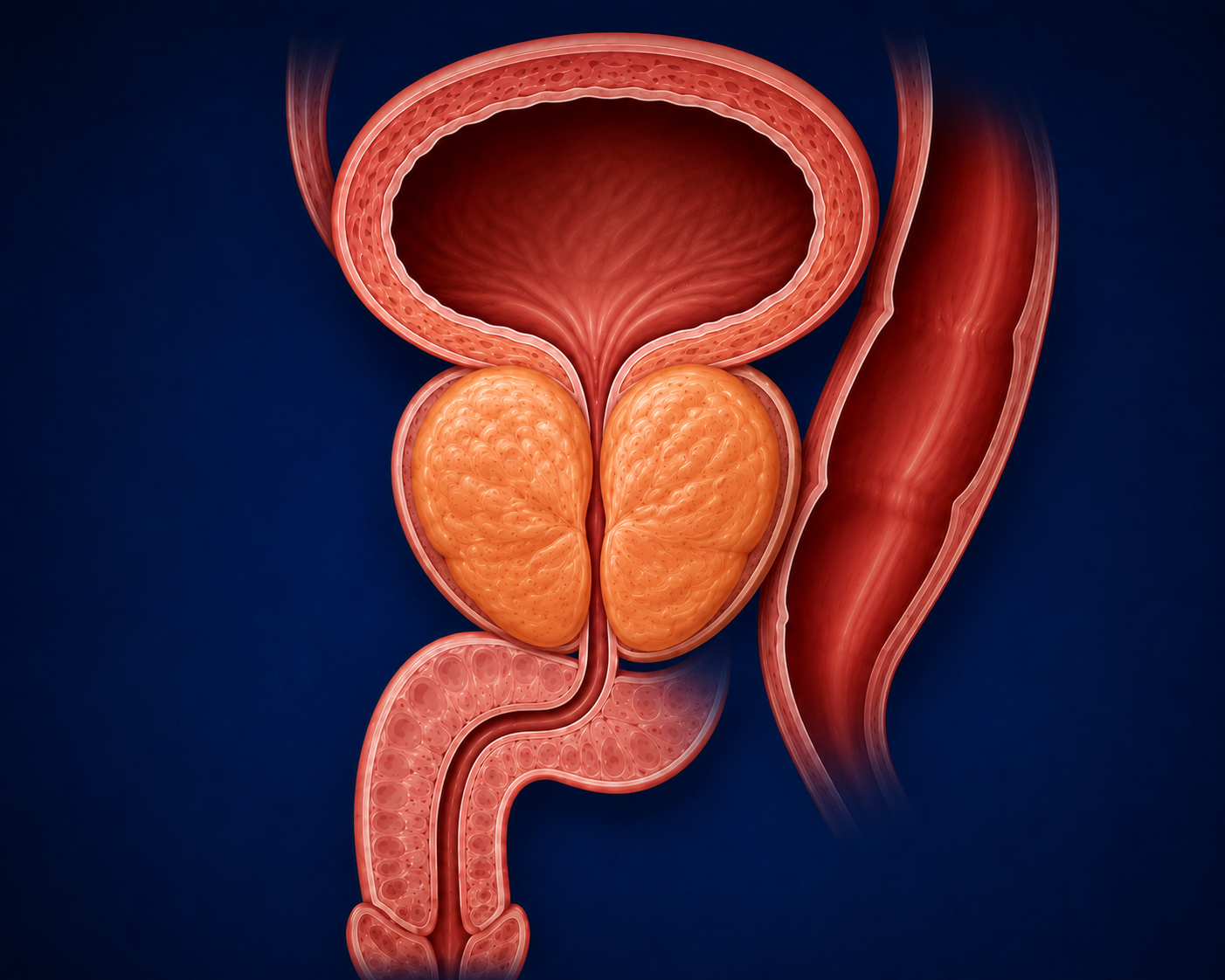
BPH - Benign Prostatic Hyperplasia
Benign prostatic hyperplasia, usually shortened to BPH, is a non-cancerous enlargement of the prostate gland that becomes increasingly common as men age, particularly after 50. As the prostate grows, it can press on the urethra — the tube that carries urine out of the bladder — and obstruct the normal flow of urine. This causes a cluster of urinary symptoms known as lower urinary tract symptoms (LUTS): difficulty starting to urinate, a weak or interrupted stream, dribbling at the end, feeling that the bladder is not completely empty, a frequent or urgent need to urinate, and getting up several times during the night to pass urine.
BPH is not cancer, but it can significantly affect quality of life and, if left untreated, may lead to urinary infections, bladder stones, or kidney problems.
Management ranges from lifestyle changes and medication to minimally invasive procedures or surgery when symptoms are severe. Healthy lifestyle measures, such as staying physically active and adopting supportive dietary habits, can help reduce symptoms and support prostate and urinary health.
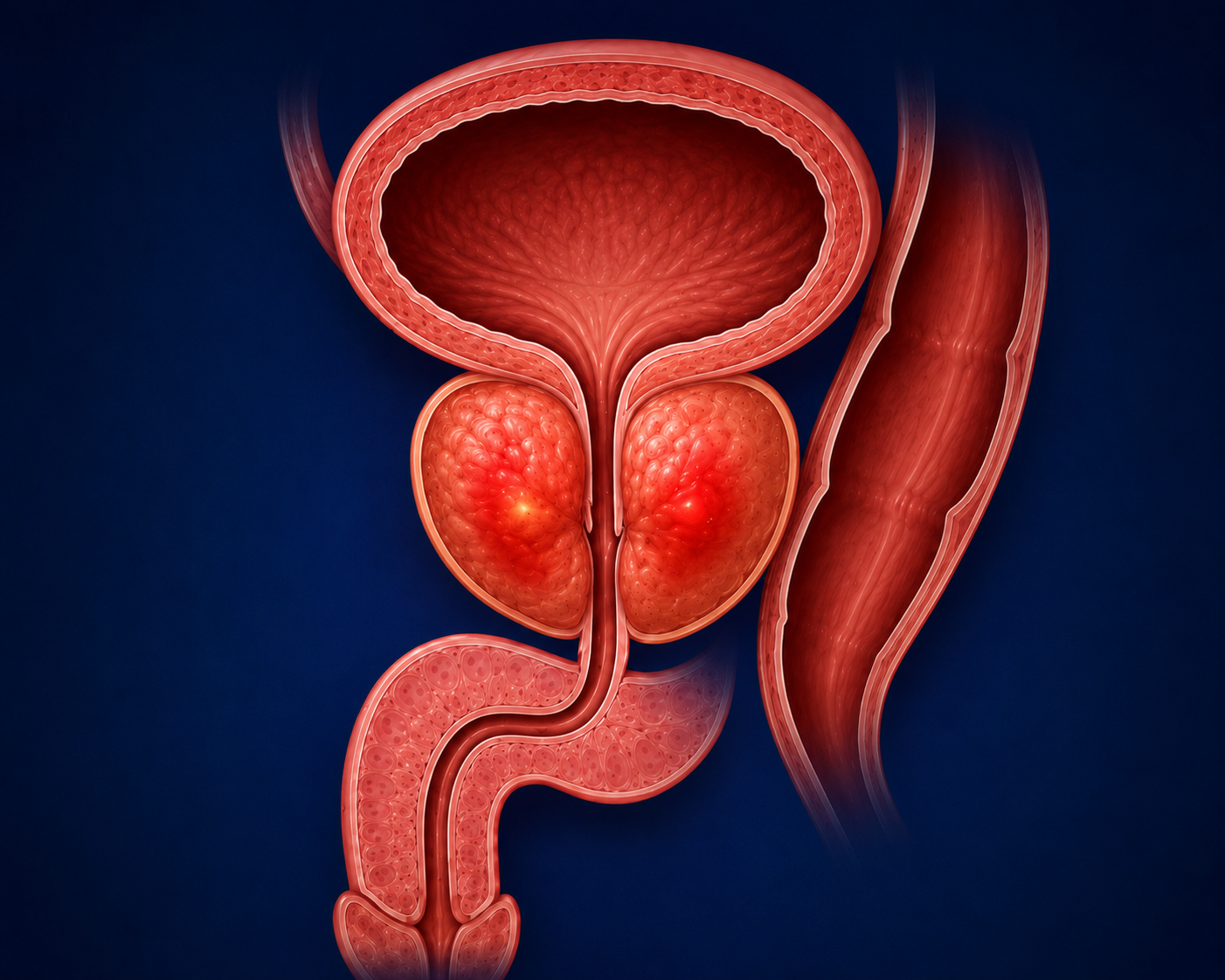
Prostatitis
Chronic prostatitis — also called chronic pelvic pain syndrome (CPPS) — is a long-lasting condition characterised by persistent pain and discomfort in the pelvic area, lasting three months or more, often without any detectable bacterial infection.
Men with chronic prostatitis may experience pain in the perineum (between the scrotum and anus), lower abdomen, lower back, testicles, penis, or during or after ejaculation, as well as urinary symptoms such as burning, urgency, frequency, or a weak stream. Unlike prostate cancer or BPH, it is not driven by abnormal cell growth or by enlargement of the gland; it is thought to result from a complex mix of factors including nerve sensitivity, pelvic floor muscle dysfunction, inflammation, and sometimes stress.
Because its causes are varied, treatment is usually multimodal and may include medication, pelvic floor physiotherapy, lifestyle modifications, and - as growing evidence shows - regular physical activity, which can meaningfully reduce pain and improve quality of life.
Frequently asked questions
-
Yes. Early prostate cancer often causes no symptoms, so it can be present even when you feel completely well.
-
Most men with prostatitis do not develop prostate cancer, but some studies suggest a modestly higher risk, so regular follow-up with your doctor is sensible.
-
A large (benign) prostate does not by itself turn into prostate cancer, and BPH is not considered a direct cause of cancer, although both conditions can occur in the same man as he gets older.
-
An enlarged prostate can raise PSA without cancer, so a mildly elevated PSA in this context is common; your doctor will usually look at the whole picture (exam, prostate size, PSA trend, and possibly PSA density or imaging) before deciding whether further tests are needed.
-
These symptoms are very common with benign conditions like prostate enlargement or prostatitis, but they can overlap with prostate cancer, so they should always be discussed with your doctor rather than ignored.

Nutrition
Food choices that support your prostate health, without strict rules or unrealistic expectations.

Physical Activity
Simple, guided exercises to help you feel stronger, fitter, and more in control. At your own pace.
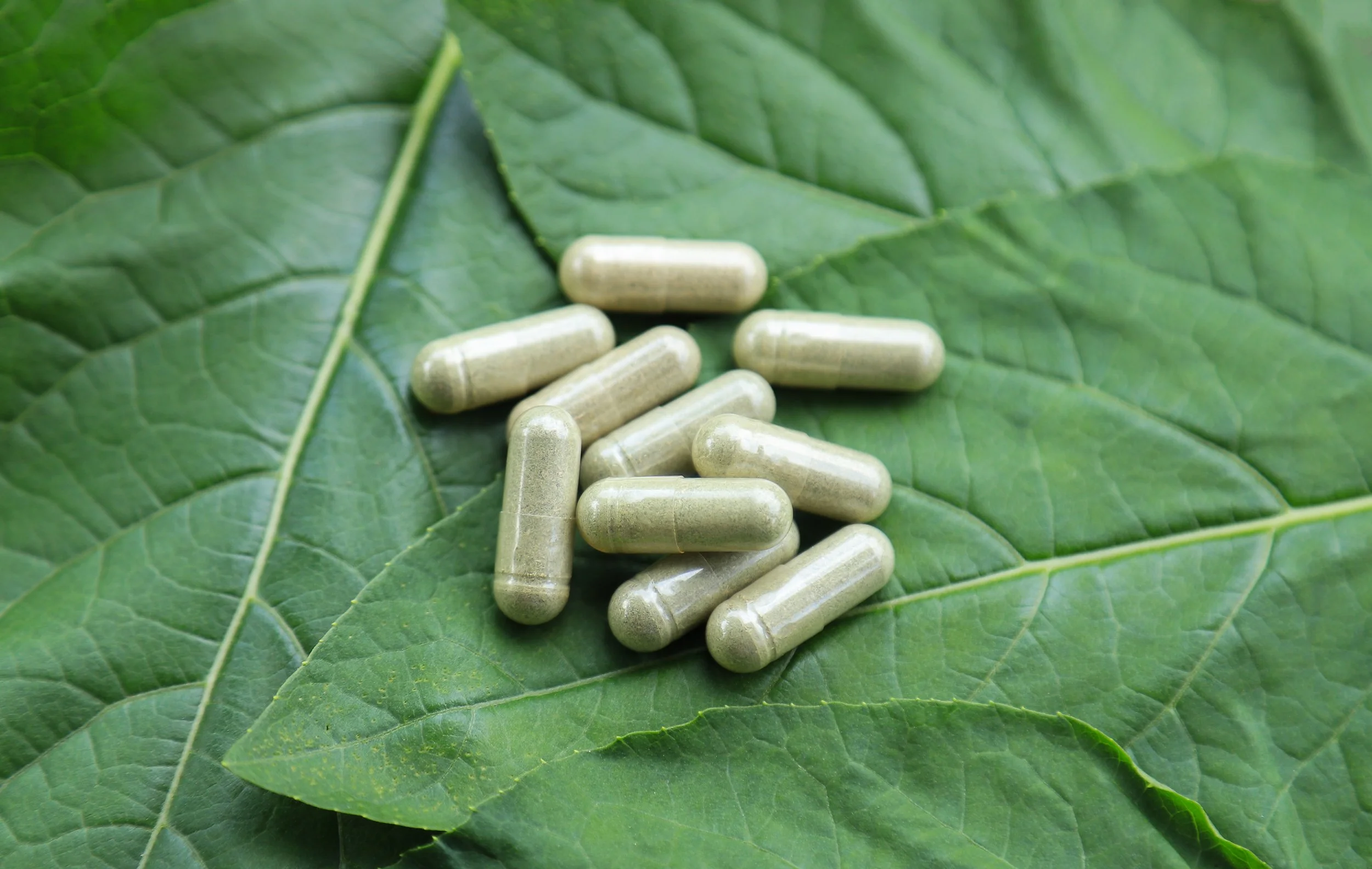
Food Supplements
Accessible explanations of supportive options within a balanced lifestyle.

Mental Wellbeing
Supporting you in managing stress, improving sleep, and maintaining emotional balance throughout your journey.